AI in Morocco: a historic opportunity for young people and companies
International3 min read
AI in Morocco is no longer a topic for conference stages. It is a tool a young person can open tonight, on their phone. And it is a real opportunity for the country, as long as it is not allowed to slip by.
Why AI lowers barriers
For a long time, learning a technical job took a good school, money and often a move abroad. Today, an AI assistant explains a coding concept, fixes a CV or summarises a course, at any hour. It does not judge. It never gets tired of questions.
Language matters too. These tools work in French, Arabic and English. A student can ask in the language they think best in, then deliver the work in their client's language.
The same logic applies to companies. A ten-person SME can now write a sales proposal in English, analyse its sales or answer customers better without hiring a whole team. It does not become a multinational overnight. But on specific tasks, it can play on the same field as the big players.
What Morocco already has
The country starts with real strengths. Its population is young. Many people switch languages several times a day, which matters a great deal when working with Europe, Africa or the Arab world. And Morocco is close to Europe, in almost the same time zones.
An ecosystem already exists. For years, Moroccan teams have been delivering digital projects for international organisations through nearshoring. That know-how does not get built in a year. It is there, and it can take on AI quickly.
The national direction is set. The Digital Morocco 2030 strategy targets 240,000 digital jobs and 100,000 young people trained every year by 2030 (Hespress). A target is not enough on its own. Companies, schools and associations have to take it up.
What could go wrong if we wait
The risk is not that AI arrives. It is already here. The risk is that only a few benefit from it.
If young people do not learn to work with these tools, the skills gap will grow. Not only between Morocco and other countries, but also inside the country, between those who get good support and everyone else. The simple tasks given to beginners will be automated more and more. People will need to build skills earlier.
The danger is the same for companies. Large groups can afford to test, fail and try again. An SME that waits three years may find its competitors far ahead, and hard to catch.
What everyone can do right now
None of this requires waiting. Everyone can start at their own level, this week.
- Young people: use AI as a private tutor, not a copy machine. Ask it to explain, then redo the exercise alone. Build a small, concrete project and show it.
- Companies and SMEs: pick one process that wastes time and test a tool on it for a month. Train teams before buying licences. Set simple rules on how data is used.
- Schools and universities: bring AI into lessons instead of banning it. Teach students to check an answer and keep a critical mind. Open the doors to companies for real projects.
- Associations: take these tools where they do not reach on their own. A one-hour workshop in a care home or a youth centre can change how a teenager sees their future.
A window to seize
Big speeches about AI do not move a country forward. What does is teams that try, measure and adjust, in a startup as much as in a family business.
Morocco has a window in front of it. It will not stay open forever. If young people are trained now, and companies get started now, this period can become the one when the country took its place.
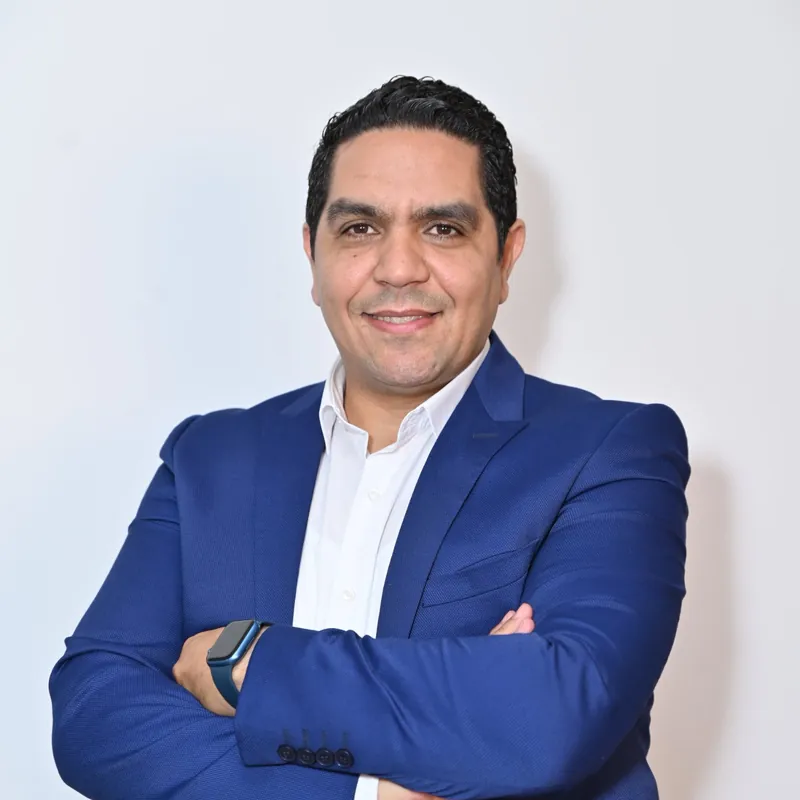
Youssef Soulaim
Entrepreneur based in Marrakech. CEO of PULSE.digital, founder of Agile UP, trainer and speaker on AI.
Keep reading
Let's build what comes next.
A project, a keynote, a training or a first conversation about AI in your organization.